
The Jewel of the Delta
Mound Bayou, MS
Mound Bayou was founded in 1887 by former slaves Isaiah T. Montgomery and Benjamin T. Green as a self-governing, all-Black community in the Mississippi Delta.
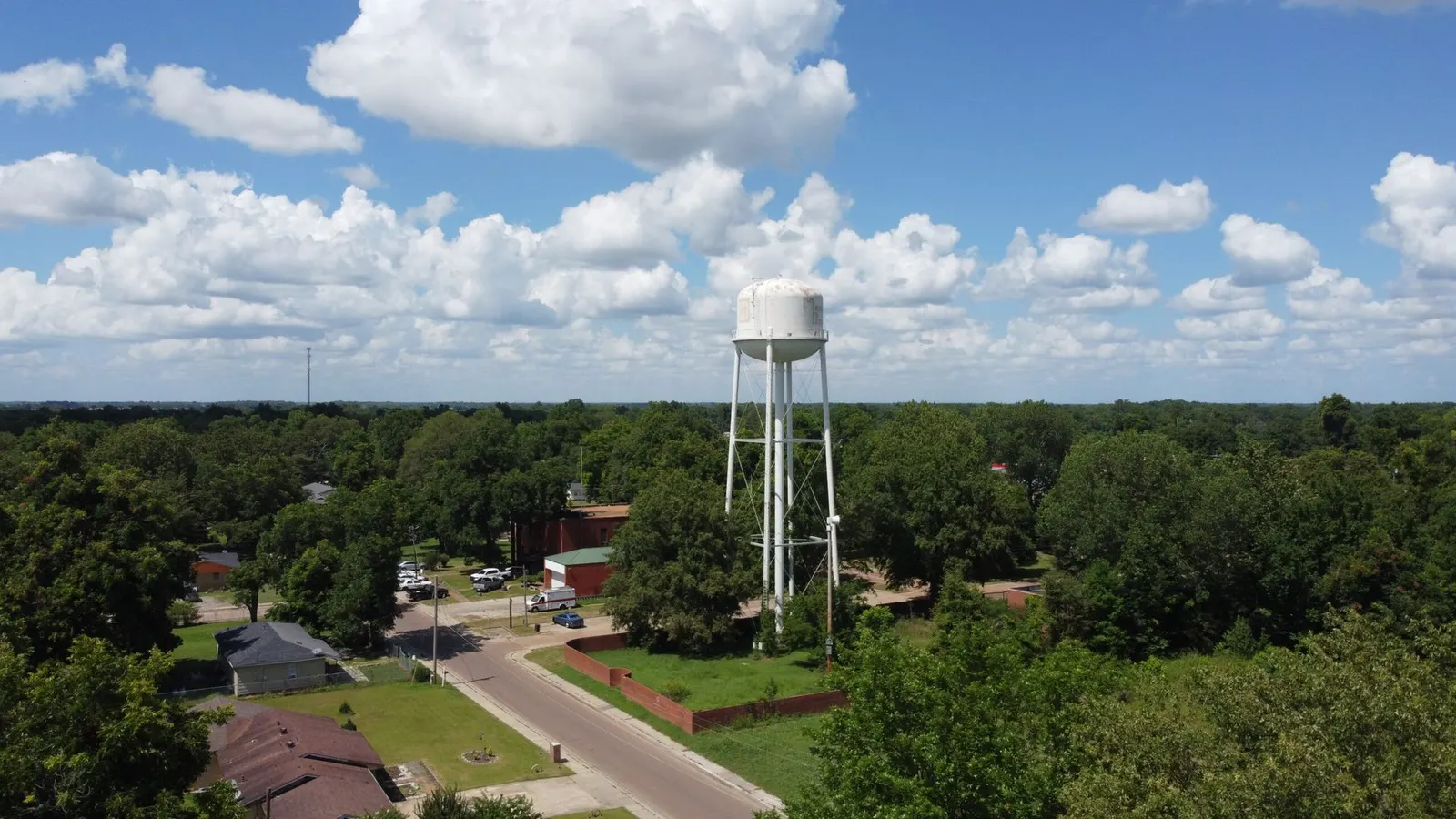
Nestled in the heart of the Mississippi Delta, Mound Bayou stands as a remarkable example of Black self-determination, resilience, and achievement. Founded in the late 19th century, this historic town has played a crucial role in African American history, serving as a beacon of hope and progress amid the challenges of segregation and racial oppression. The story of Mound Bayou is one of vision, perseverance, and community, making it an essential chapter in the tapestry of American history.
The Origins
Mound Bayou was founded in 1887 by former slaves Isaiah T. Montgomery and Benjamin T. Green. Following the Civil War and the abolition of slavery, many African Americans sought new opportunities and safe havens to escape the violence and economic exploitation of the Reconstruction South. Montgomery and Green, inspired by the ideals of self-sufficiency and independence, envisioned a community where Black people could govern themselves, own land, and build prosperous lives free from the direct control of white landowners.
They purchased land from the Louisville, New Orleans, and Texas Railroad Company in Bolivar County, Mississippi, strategically selecting a location in the fertile but undeveloped Delta region. The founders named the settlement Mound Bayou, referencing the nearby ancient earthworks built by indigenous peoples. The town quickly attracted Black settlers from across the South, eager to participate in building a self-governing, all-Black community.
Early Growth and Development
From its inception, Mound Bayou was characterized by its enterprising spirit. The early residents cleared the land, established farms, built homes, and constructed schools and churches. The town quickly developed its own infrastructure, including a post office, banks, and various businesses. By the early 20th century, Mound Bayou was home to thriving cotton gins, sawmills, and general stores, all Black-owned and operated. The town became a model for Black economic empowerment and self-reliance, attracting national attention.
Education was a central pillar of the community. Institutions like the Mound Bayou Normal and Industrial Institute (later known as the T. R. M. Howard High School) provided educational and vocational training, equipping young people with the skills needed to contribute to the town’s growth. The town’s emphasis on education fostered a culture of pride and aspiration among its residents.
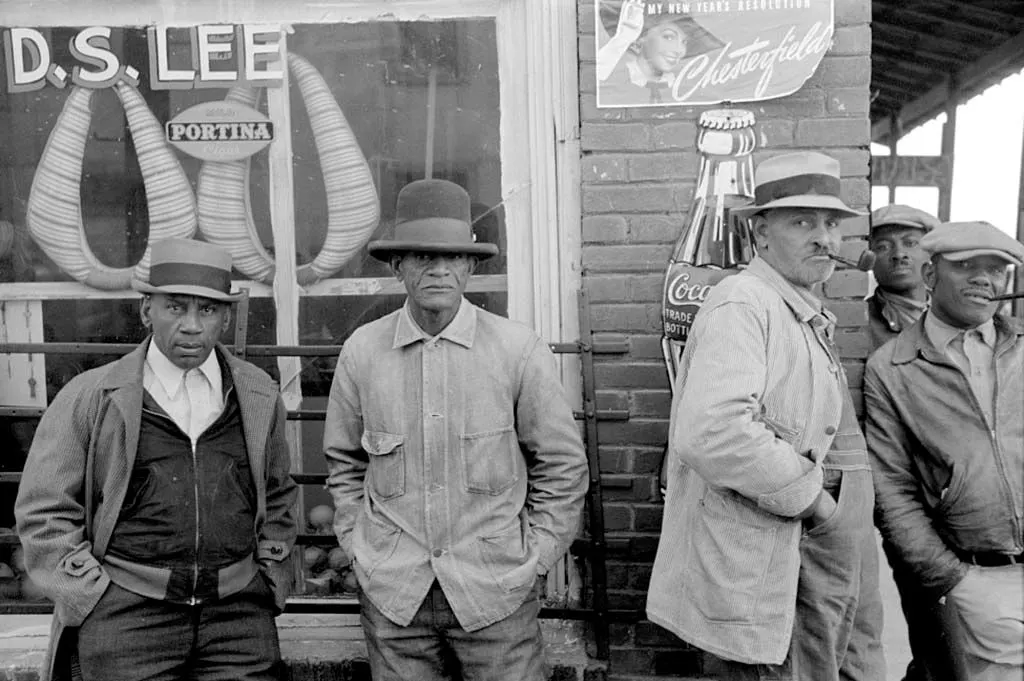
Mound Bayou residents in front of the D.S. Lee store, about 1939.
Social and Political Significance
Mound Bayou’s success challenged prevailing racist notions of Black inferiority and demonstrated the possibilities of Black self-governance. The town’s leaders, including Dr. T. R. M. Howard, played prominent roles in the struggle for civil rights and economic justice. Dr. Howard, a physician and entrepreneur, established the Knights and Daughters of Tabor hospital in Mound Bayou, one of the few facilities in Mississippi where Black patients could receive care from Black doctors.
The town also became a center for civil rights activism. During the 1950s, Dr. Howard emerged as a leader in the fight against racial violence, particularly after the murder of Emmett Till in 1955. Mound Bayou was a safe haven for activists, journalists, and witnesses during the high-profile trial that followed. The town’s commitment to social justice and mutual aid made it a crucial node in the broader civil rights movement.
Challenges and Resilience
Despite its achievements, Mound Bayou faced significant challenges. The Great Depression, the mechanization of agriculture, and the broader economic decline of the Delta region took their toll. Outmigration, especially among young people seeking opportunities elsewhere, reduced the town’s population. Nevertheless, the community endured, sustained by its strong institutions and enduring sense of pride.
Mound Bayou’s historical legacy has been threatened by economic hardship, but its cultural and symbolic significance remains undiminished. The town is celebrated for its rich history, annual festivals, and the preservation of landmarks such as the Taborian Hospital. It continues to inspire efforts toward Black economic empowerment and community development nationwide.
Legacy and Contemporary Impact
Today, Mound Bayou’s story is recognized as a testament to the power of collective action and the enduring pursuit of freedom and dignity. The town’s founding principles—self-reliance, mutual aid, and education—continue to resonate, offering lessons for future generations. Organizations and historians work to preserve its unique heritage, ensuring that the achievements and struggles of its founders and residents are not forgotten.
Mound Bayou, Mississippi, stands as a monument to African American resilience and ingenuity. Its rich history provides a powerful counter-narrative to the oppression and disenfranchisement experienced by Black Americans in the Jim Crow South. By building and sustaining a thriving community against all odds, the people of Mound Bayou have left an indelible mark on American history—a legacy of hope, pride, and the enduring capacity for self-determination.